


FedEx Raises Shipping Fees in Europe
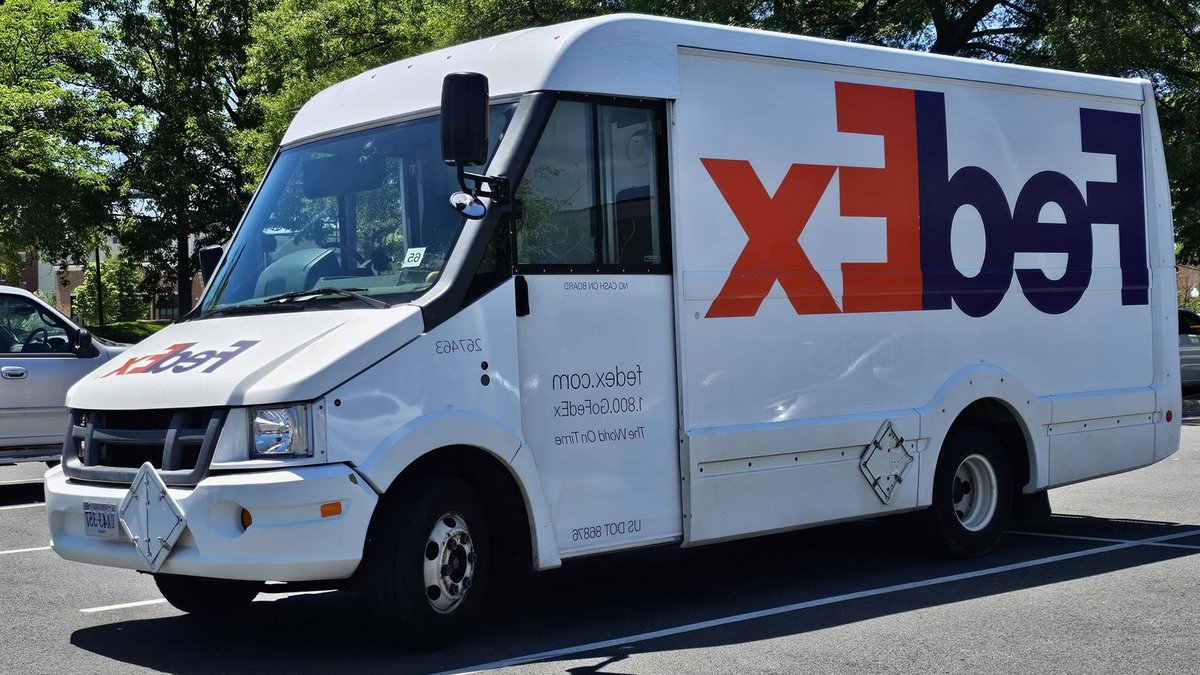
FedEx is introducing a series of new charges and fees over the next two weeks that could catch customers by surprise, building on a recent pricing strategy aimed at boosting revenue without touching base rates. The company has implemented or announced more than 50 pricing changes over an 18-month span, according to parcel spend management firm LJM.
New Charges and Fees
On top of three general rate increases, there have been fuel surcharge adjustments, five changes to One Rate, delivery area surcharge updates, customs-related fees, dimensional pricing changes, peak surcharges, and demand surcharges. These surcharges are typically less visible to freight owners than base rates and can have a large impact on transportation budgets.
Shippers have experienced a significant increase in fuel surcharges from FedEx, UPS, and even the U.S. Postal Service as the Iran war limited crude oil supplies, pushing up the cost of diesel and jet fuel used to power their fleets. Fuel surcharges in the second quarter were two-thirds higher than the prior year.
Impact on Shippers
Overall, the express parcel rate per package increased 5.9% in the second quarter, while the ground parcel rate per package grew 5.2%. The constant micro-adjustments mean businesses should review their contracts more than once a year, according to LJM.
On Monday, FedEx reclassified its zip code list for delivery and pickup area surcharges, pushing some zip codes into pricier tiers and making other zip codes surcharge-eligible for the first time. The result is that 102 zip codes were added to the standard delivery area surcharge tier, 74 moved from standard to extended area, and 63 moved from extended to remote area — the highest cost tier.
For delivery area surcharges, the move from extended to remote represents an increase of $11.20 per package for commercial shipments and $7.95 per package for residential shipments. Lower tiers received more modest increases.
EU Inbound Processing Fee
Meanwhile, on Aug. 3, FedEx will extend its U.S. inbound processing fee to shipments destined to all 27 nations in the European Union from outside the bloc. The fee is in response to the EU ending duty-free status this month for goods valued at 150 euros, or less, and applying a 3 euro charge for each type of product in a shipment.
Related: 9 Popular tech domains to use for a technology business website
The inbound processing fee is a flat, per-shipment fee FedEx charges to cover the administrative work of customers clearance, on top of mandatory government import charges. Because it’s charged per shipment rather than as a percentage of value, the processing fee behaves very differently across shippers.
A company sending a small number of high-value B2B shipments will barely feel the impact, but high-volume shippers of individual parcels will face a large bill, experts say. FedEx on Monday also raised its disbursement fee, a charge for advancing duties and taxes on a customer’s behalf.
The rise in surcharges has contributed to shippers switching more volume to alternative parcel carriers that offer lower-cost service. FedEx has made clear that it is willing to relinquish market share in the low-margin B2C local deliveries for online retailers to focus on premium B2B services where it can make a profit.
These changes fit into the broader context of the shipping industry, where companies are continually adapting to new regulations and market pressures. In this case, FedEx’s decision to extend its inbound processing fee to EU shipments may be seen as a response to the EU’s efforts to slow the influx of cheap e-commerce imports from China, affecting border trade.
Surcharges are a major part of FedEx’s revenue strategy, said Chief Commercial Officer Brie Carare during an investor event in February. As the company continues to adjust to the global shipping market, it will be interesting to see how these changes impact its bottom line and relationships with customers.
FedEx is focused on its premium services.

Mexico Border Trade Tops $87 Billion in May


