


Women’s career hurdles in professional services
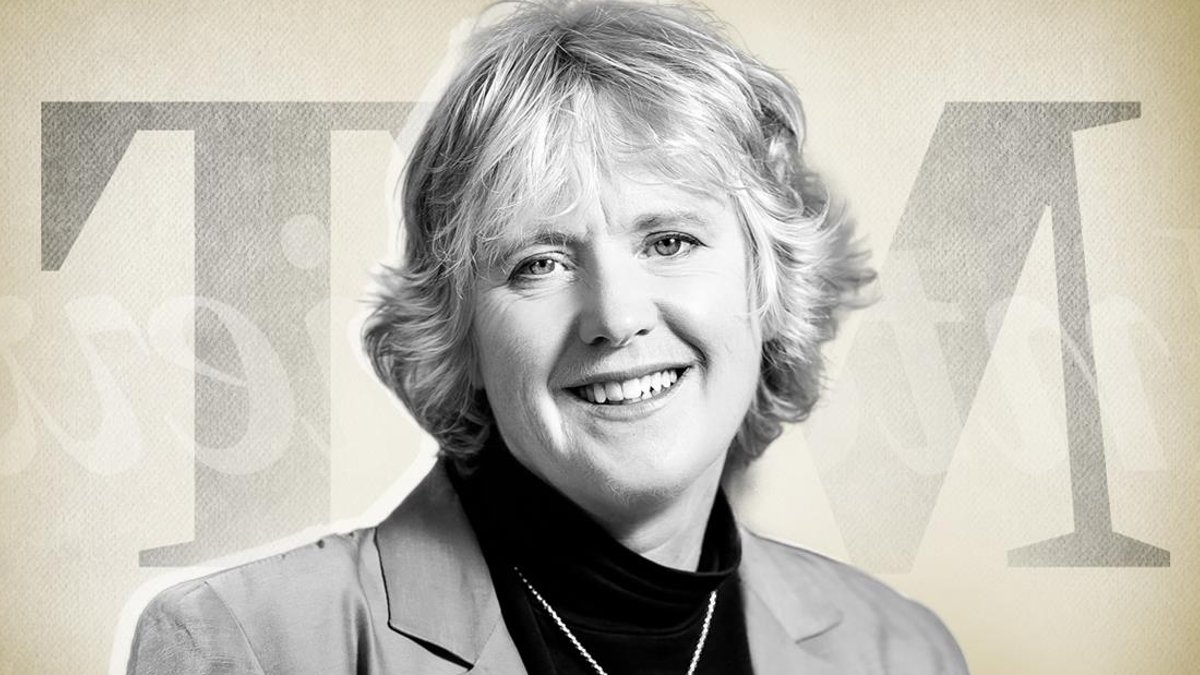
When Tabitha Elwes joined CIL Management Consultants as a partner in 2017, she observed a stark imbalance in private equity and corporate finance, two sectors the firm serves. Her prior experience in media consulting, which she describes as “extremely diverse…with lots of very, very senior women,” made the contrast especially striking.
New data from CIL’s Women in M&A and Professional Services Survey confirms the issue remains unresolved. The firm surveyed 134 women across Europe and the U.S. While 56% aspired to C-suite positions, one in three U.S.-based respondents and one in ten in Europe reported that sexist bias or discrimination had hindered their progress.
The role model gap
Elwes explained that the lack of women in top roles creates a cycle that discourages ambition. Without visible examples, women may find it harder to picture themselves in those positions. She believes this “can create an environment where [women] are perhaps less incentivised to succeed because they can’t see themselves in that specific role.”
The survey also identified imposter syndrome as a significant hurdle. A quarter of European respondents and 16% in the U.S. said it blocked their advancement. Elwes suggested cultural differences might play a role—U.S. education systems may encourage confidence, while the U.K. often discourages self-promotion.
Related: Stuart Trevor sells AllSaints citing risk aversion
Still, the findings revealed unexpected benefits. Over two-thirds of U.S. women and more than half in Europe said being one of the few women in the room made them more noticeable to clients and colleagues. Their perspectives helped build empathy, resilience, and teamwork. In Europe, 57% believed their gender strengthened workplace relationships, compared to 45% in the U.S.
The double bind of visibility
Imposter syndrome undermines those advantages. Elwes noted that the same traits that make women stand out can also make them feel like outsiders. Being held back by the sense of being ‘other’ is preventing some from reaping the full benefits of their position.
This reflects a broader challenge in professional services. Women often face a paradox: their rarity can be an asset but also a drawback. In M&A, where relationships drive deals, being memorable can create opportunities. Yet if self-doubt takes hold, visibility becomes a weight rather than an advantage.
The survey also showed regional differences in support. A quarter of U.S. women cited weak professional networks as a barrier, versus just 6% in Europe. Elwes suggested Europe’s smaller, more concentrated markets might make networking easier than in the U.S., where a larger land mass and dispersed population hinder connections.
Steps for employers
Nearly one in five respondents wanted better mentoring and networking programs. Others called for more women in leadership, shared parental leave, and inclusive workplace cultures. Elwes urged leaders to gather feedback from women at all levels to identify what works and what doesn’t.
She emphasizes the importance of cultivating an inclusive company culture, encouraging employees to “look outside their own behaviour” and “raise awareness of things that might make others feel excluded.” Asking women across different levels of seniority what is and isn’t working is, in her view, an effective way to kickstart the process.
The benefit extends beyond fairness—93% of European and 86% of U.S. respondents said gender-diverse teams make better decisions. CIL applies this approach internally, often connecting women who haven’t worked together before to leverage their varied skills.

Stuart Trevor sells AllSaints citing risk aversion


