


Infantino’s World Cup Overhaul Shows Leadership Bias
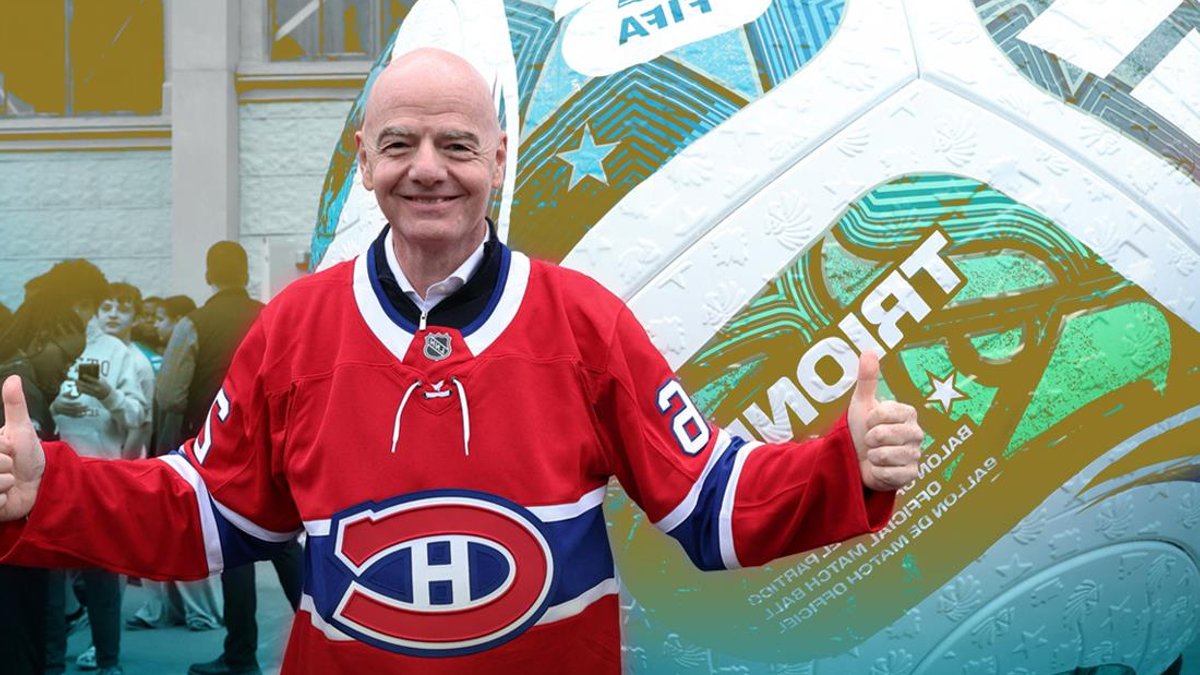
The upcoming World Cup in Canada, Mexico, and the United States marks a turning point in international football, featuring 48 teams for the first time and a massive logistical undertaking. However, critics suggest the event is being run under a distinctly Orwellian philosophy where some stakeholders are more equal than others. The president of FIFA, Gianni Infantino, faces scrutiny over a leadership style that appears to prioritize commercial interests and celebrity appeal over the traditional fan experience.
A mismatch of expectations defines the current discourse surrounding the tournament. FIFA’s decision to add a 25-minute halftime show with major pop stars like Shakira and BTS aims to replicate the blockbuster success of the Super Bowl. Critics argue this approach misunderstands the nature of the World Cup, which is a global event requiring international travel rather than a domestic gathering. Kieran Maguire, a football finance expert, notes that costs for international supporters are significantly higher than for domestic NFL fans. For example, a supporter from Ghana would pay at least £170 for a single ticket, a sum that represents a substantial portion of a monthly wage.
Simon Chadwick, a professor of AfroEurasian Sport, understands the financial logic behind ramping up entertainment. The United States is the world’s largest domestic sport economy and a key source of funding for FIFA. However, he warns that focusing on the sophisticated American consumer risks disaffecting traditional fans. “The passion, atmosphere and allegiances which first attracted commercial interest in the game is gradually disaffecting fans,” Chadwick says. This shift turns the tournament into a theme park experience designed to separate supporters from their wallets rather than celebrating the sport.
Related: Kindness fuels Ovensehi’s business growth
Climate considerations have also been a point of contention. FIFA has set a threshold for Wet Bulb Globe Temperature (WBGT) at 32℃, requiring breaks during play. However, a leading American climate scientist warns that once heat stress exceeds certain levels, short breaks are insufficient to prevent damage. The schedule of matches has drawn criticism for failing to account for these risks adequately.
The structure of the tournament itself is under scrutiny due to Infantino’s influence. He has already suggested that the 48-team format might expand to 64 teams next time, a decision driven by a psychological bias known as the endowment effect, where leaders value their own ideas too highly. While the expanded format has allowed four new nations to qualify, the benefits for fans are less clear. For instance, Haiti supporters are likely to face significant hurdles securing American visas despite their team qualifying for the first time since 1974.
Leaders often assume their judgments are rational, but research suggests emotions play a significant role. Infantino’s decision to award Donald Trump the inaugural FIFA Peace Prize, implemented with scant internal consultation, exemplifies this. The president later contradicted this by stating he would not pay $1,000 to watch the US’s opening game. This disconnect highlights a gap between the leadership’s vision and the reality of the fan experience.
Related: Rental Real Estate: Does It Pay Off
Despite the controversies, the financial distribution to member associations has increased by 30% since 2022, a move that has helped rebuild trust in some quarters. However, transparency remains a concern. While the salary of the FIFA president is public knowledge, the specific costs associated with his private residences in Florida and Switzerland are not. The process for awarding the 2034 World Cup to Saudi Arabia was reportedly driven by Infantino’s lobbying and a compressed bidding window.
As the tournament approaches, the focus remains on how the event balances its commercial ambitions with its role as a global sporting celebration. The outcome of the 2026 World Cup will likely serve as a case study in how leadership biases shape major international events.

Kindness fuels Ovensehi’s business growth


