


El Niño’s record warmth reshapes U.S. weather risks for businesses
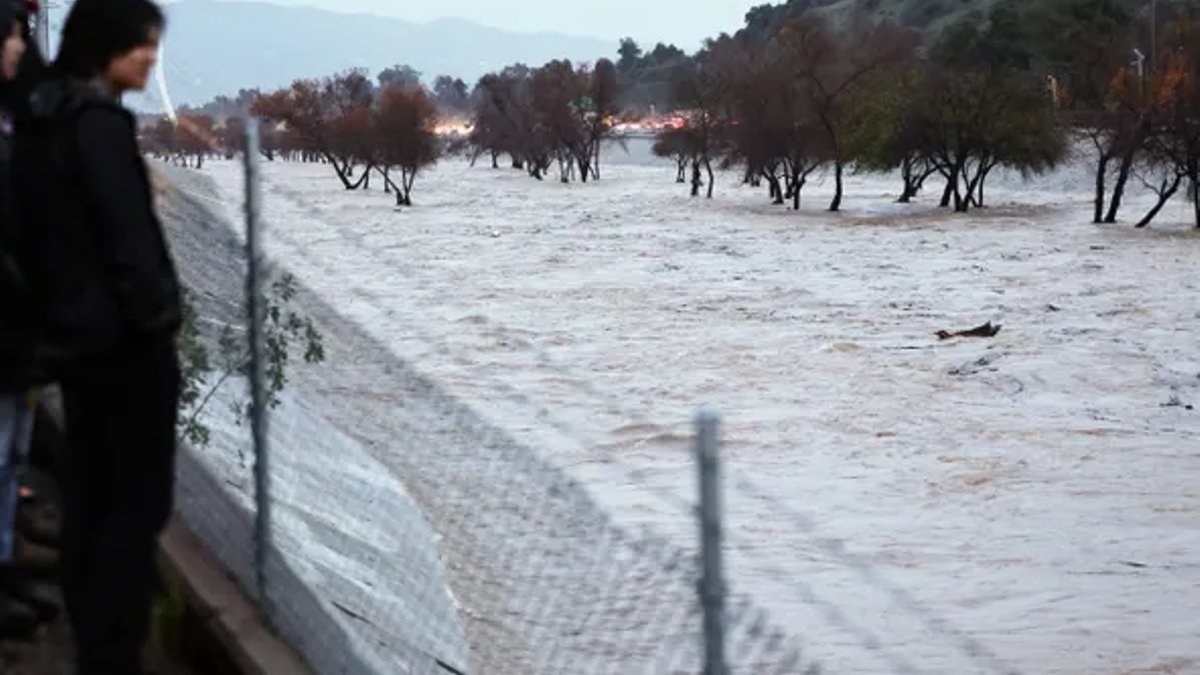
The strongest El Niño on record has begun affecting the U.S., with its global impacts expected to peak around December. This phenomenon, driven by unusually warm ocean water in the central and eastern tropical Pacific, will disrupt weather patterns across major manufacturing regions. Above-average rainfall is forecast for the Gulf Coast, while the Pacific Northwest will experience drier-than-usual conditions.
Industry specialists caution that manufacturers must brace for risks unlike any seen before. Ocean-surface temperatures have reached anomalies of around 4 degrees Celsius, a level never documented in modern records. “As somebody who’s worked in sustainability and this space for the entirety of my career, we’ve never seen temperatures around four degrees at the surface,” said Americas Head of Energy Advisory and Sustainability Josephine Tucker, referring to the ocean-surface temperature anomalies which govern the strength of El Niño events. Historical patterns no longer suffice to anticipate outcomes, given the rising frequency of extreme weather.
Past events show these shifting risks. Flooding in Thailand in 2011 and Hurricane Harvey in 2017—both in areas previously considered low-risk—demonstrate how quickly weather patterns are changing. “What we’re seeing is things that never happened are [now] happening all the time,” said Firas Saleh, director of North American flood models at Moody’s. He cited the 2011 flooding in Thailand and 2017’s Hurricane Harvey as two out of many stark reminders that one can no longer define what an “ordinary” weather event might entail. Businesses depending on outdated flood-zone maps may overlook critical exposure, as unanticipated storm damage can still halt operations.
Hidden dangers include heavy rainfall interacting with burned environments, increasing landslide risks, and overwhelmed stormwater systems. Tucker advises manufacturers to review water and power systems, prioritize sites by vulnerability, and test backup solutions under realistic conditions. Many high-cost upgrades, such as onsite power systems, should have been implemented months earlier, but late preparations can still reduce harm.
Related Post: Red Sea Crisis Disrupts Global Energy, Supply Chains
Coastal facilities face obvious hurricane threats, but inland sites remain equally at risk. In 2017, Hurricane Harvey caused $125 billion in damage across Texas and Louisiana, despite many affected areas not being designated high-risk zones. Tucker notes that the financial cost of inaction, lost production, supply chain breakdowns, or temporary power failures, often exceeds resilience investments.
Supply chain strength now depends on connectivity and adaptability. Brian Harold, managing director at APM Terminals, stresses the need for reliable port infrastructure, inland transport networks, and multiple cargo routes. Manufacturers should maintain safety stock for four to six weeks of transportation delays and diversify production paths, as Sonoco has done by shifting to domestic metal-can manufacturing.
Insurance and localized power systems provide additional safeguards. Contingent business interruption coverage helps when suppliers fail, while microgrids, some capable of isolating power in 20 milliseconds, can prevent costly production stops. Financing options like “as-a-service” models allow businesses to treat capital expenses as operational costs, lowering initial investment hurdles.
Flexibility remains the most effective strategy. “The strongest supply chain isn’t the one that predicts every disruption,” said Ernest Haynes, Sonoco’s president of global consumer packaging. This applies when the supplier, rather than the manufacturer, fails to provide the equipment or other items they are responsible for.


