


KPMG veteran shares lessons from 30 years in consulting
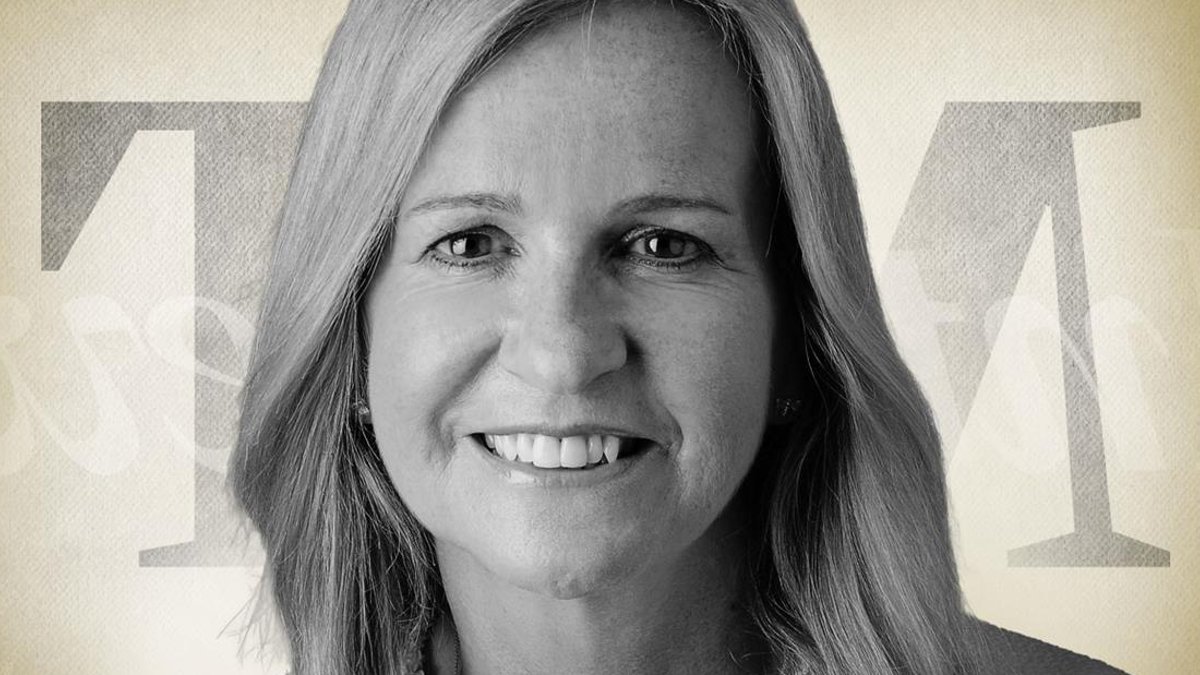
Liz Claydon has spent over thirty years at KPMG, moving from auditing to corporate finance and now leading the firm’s global deal advisory practice. She joined in 1991, became a partner in 2007, and took the top advisory role in 2019—just as the pandemic disrupted global markets.
From auditor to global leadership
Claydon began as an auditor after graduating from the University of Leeds. She shifted to corporate finance in 1999, relocating to London to work in KPMG’s transaction services. By 2007, she had become a partner while raising her second child.
Related: CEO Slams Business Case for Inclusion
In 2019, Claydon became both UK and global lead of the deal advisory practice, which also gave her access to KPMG’s executive committee. The timing was tricky: just nine months later the pandemic hit, which made the deals market “pretty bumpy for a while”. Since 2023, she has been solely leading the global advisory firm and is also vice chair for KPMG in the UK.
“I’ve always been focused on advising clients – it’s what makes me tick. It took me about 24 hours to realise that running the deals business was kind of my dream job,” she says. Claydon attributes her long tenure at KPMG to diverse opportunities, including a year on secondment at Diageo before her leadership role, which supported her appreciation for the firm’s varied opportunities.
“I’ve never got to a point in my career where I’ve suddenly felt like I’m not learning or developing. I’ve been fortunate enough to be put on a number of leadership programmes over the years which really helped me think through where I wanted [my career] to go.”
Adapting to global disruptions
Claydon has been witness to a vast number of macro shocks impacting the deals sector over the years. The pace of change of technology has been a prominent factor, and its impact on strategic ambition, workforce planning and talent acquisition is “absolutely front and centre” in the minds of senior leaders within the sector, she says.
KPMG is leveraging AI to support clients as they strive to meet their acquisition targets, by analysing vastly different data sources and accumulating them into an easy-to-digest format in a matter of days. In the past, this would typically take an analyst two or three weeks to create themselves, or would be outsourced to another firm. The firm is also using AI to “clean up” client data and present it in such a way that is easily understood, though a human touch is still very much needed.
And despite the media narrative, Claydon claims the UK deals market isn’t “too terrible”. The challenges that come with regulatory change have eased a little, she says, and a number of successful deals are going ahead, though not yet at pre-Covid levels. Foreign investment into the UK is “doing OK” in a number of sectors, including healthcare and technology.
Related: Infantino’s World Cup Overhaul Shows Leadership Bias
However, the geopolitical setting is testing KPMG’s resilience. “The amount of shocks we’ve gone through over the last five years…starting at Covid and now including the wars in Ukraine and the Middle East, US tariffs and the country’s relationship with China, inflation here in the UK,” she says. “It’s literally been one thing after another. It does give you a jolt, but once you carry out scenario planning you can build your strategy around that. We haven’t become immune to disruption, but it has become the norm and you really have to step up as a leader. For about two years now, [Claydon and other global heads of deal advisory] have been saying ‘the next quarter is going to get better’ and there is a lot of evidence which points to that.”
Technology’s rapid evolution continues to shape workforce planning and strategic decision-making. “It’s absolutely front and centre,” she says.

CEO Slams Business Case for Inclusion


