


Royal Mail pins hopes on Czech Sphinx
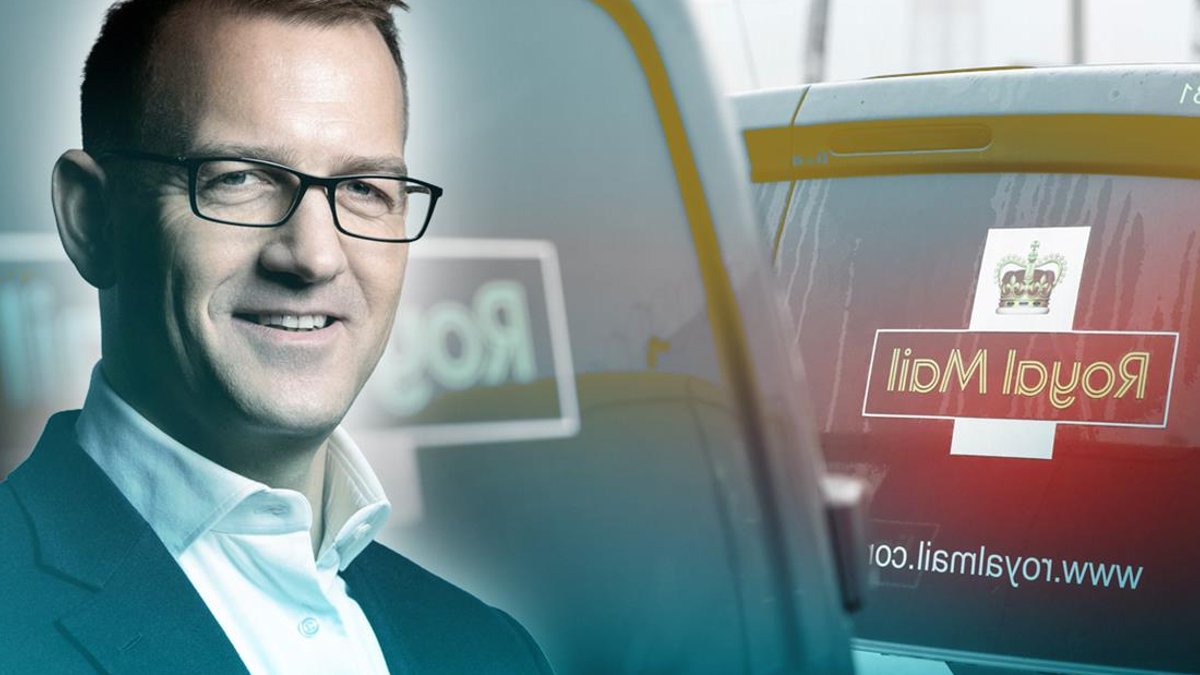
The first foreign owner in the 500-year history of the Royal Mail is a man who prefers shadows to spotlights. Daniel Křetínský, a 51-year-old Czech billionaire worth an estimated $10.2 billion, has spent years building a reputation as an elusive figure. Even his biographer struggled to understand his motives. Now, with a £3.6 billion takeover of International Distribution Services (IDS), the parent company of the UK’s struggling postal service, he is stepping into public view.
The contrarian playbook
Křetínský’s strategy avoids following trends. In a 2015 speech at Prague University, he explained his philosophy: “We want to make money in industries that are declining because we believe they will decline much more slowly than most people think.” His energy group, EPH, grew into one of Europe’s largest private energy companies by assuming the shift away from fossil fuels would take far longer than expected. The approach has proven profitable, though critics label EPH “one of Europe’s dirtiest” energy firms. While Křetínský has promised to phase out coal by 2030, the details remain vague.
His investment style is methodical. Unlike private equity firms that buy, strip, and sell assets quickly, he holds onto them for years. He spent four years accumulating stakes in Royal Mail and the struggling French supermarket group Casino before making his move. Josef Kotrba, former chairman of Deloitte’s Czech energy business, noted that he “buys cheap with external finance.” Analysts at the University of Lausanne add that his patience distinguishes him—he improves assets instead of dismantling them.
Related: Growing up in a powerful female-led family
Royal Mail, which has seen letter volumes drop by 65% since 2004 and suffered years of losses, represents his biggest challenge. The service has lost ground to Amazon and DPD in the parcel market, and its labor relations have been difficult. Yet Křetínský sees potential. IDS also owns GLS, a profitable parcel business, and he plans to revive Royal Mail through automation, cost reductions, and digital improvements. He is also advocating for a loosening of the Universal Service Obligation, which required it to deliver first and second class letters six days a week and parcels five days a week.
A man stretched thin
Křetínský’s holdings span multiple industries. Beyond Royal Mail, he owns the Czech Republic’s largest newspaper publisher, a 27% stake in West Ham United, and major investments in French retail, media, and energy. Managing such a vast portfolio is demanding, even for someone described by his spokesman as “fast, very convincing, and extremely smart.”
His schedule is relentless. While restructuring Royal Mail, he is also overhauling Casino, the ailing French supermarket group. The plan involves selling large stores and focusing on urban brands like Franprix and Monoprix. French unions have already criticized past restructuring efforts, signaling potential resistance ahead.
Related: New boss sparks shake-up at Diageo
His ability to handle these projects depends on his connections. In 2016, he attempted to invest in French energy giant EDF but was ignored. Within two years, he had established himself in Parisian business circles. His biographer, Jérôme Lefilliâtre, wrote that he had integrated into the environment. The same strategy may now be unfolding in the UK, where he has already met with MPs to discuss Royal Mail’s future.
Křetínský aims to create a European conglomerate covering energy, logistics, retail, and media. But his secrecy has caused problems before. When he bought a 49% stake in France’s left-wing newspaper Le Monde, he did so without consulting journalists or explaining his plans. The backlash forced him to sell his shares in 2023. It remains one of the few mistakes in a career marked by careful calculation.
His personal life is just as private. A Francophile who learned French by watching François Truffaut films, he owns an 18th-century chateau near Paris and a £65 million mansion in Hampstead, currently rented to Justin Bieber. Unlike many post-Communist tycoons, he supports the EU but worries about its regulatory constraints.
Related: NATS chief on the future of air travel
His business approach values patience. He serves on multiple company boards, studying details until he knows them better than the executives. This skill could help at Royal Mail, where quick solutions are unlikely. Yet with so many commitments, the challenge is whether he can devote enough focus to the postal service.
Growing up in a family where leadership was a shared responsibility may have shaped his long-term perspective. His methods contrast with the rapid changes seen at companies like Diageo, where a new CEO has already sparked shifts in strategy and dividends.

Growing up in a powerful female-led family


