


New boss sparks shake-up at Diageo
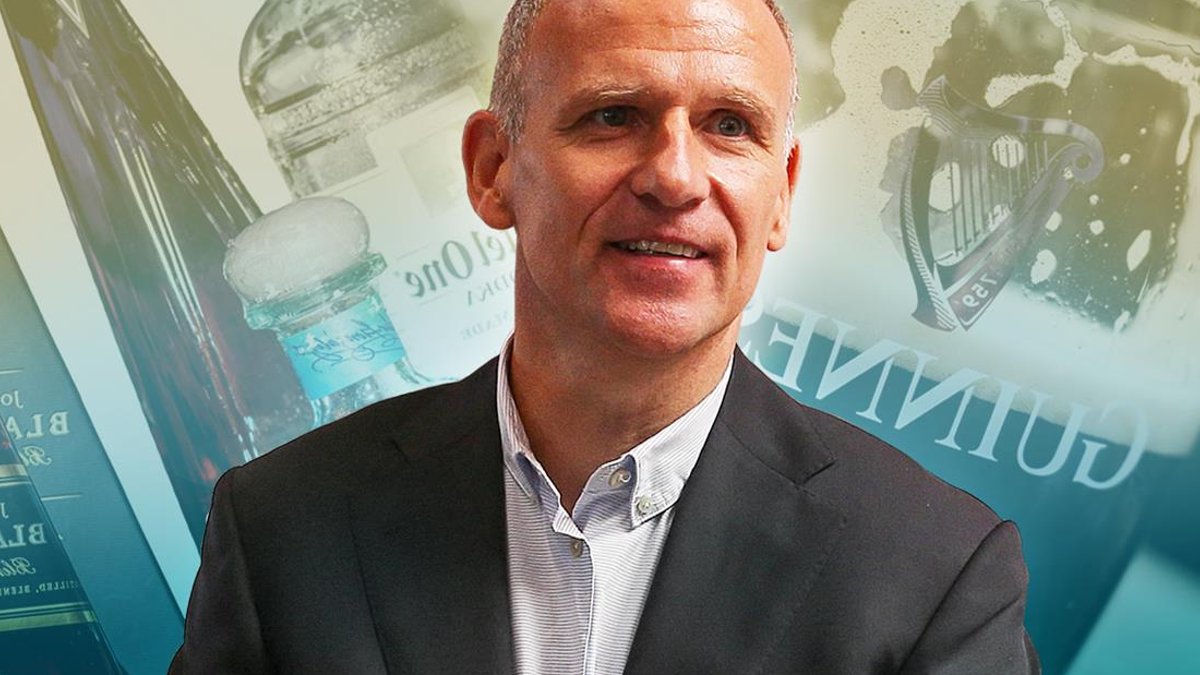
Diageo’s new chief executive, Sir Dave Lewis, has spent his first months making decisions that unsettled investors and reinforced his reputation.
Lewis, previously dubbed “Drastic Dave” during his tenure at Unilever and Tesco, halved Diageo’s annual dividend in January. The move aimed to reduce debt and fund future growth but caused the company’s share price to drop 13% in a single day, marking its worst trading session since formation in 1997. Analysts anticipated bold action, though the extent of the cut surprised them.
Pressure to go further
The dividend reduction marked the beginning of Lewis’s overhaul. He plans to unveil a broader transformation strategy in September, raising questions about the depth of changes ahead. His predecessor, Debra Crew, had reportedly considered selling Guinness. The stout brand achieved 10.9% organic sales growth in the first half of fiscal 2026 despite supply chain issues, and Lewis described it as a brand that remains relevant. Divesting it could generate £8 billion but would remove a key asset from the portfolio.
Related: Sixties sparked management revolution
For now, Lewis is targeting internal inefficiencies. He noted that Diageo’s payroll system costs ten times more per employee than Tesco’s, even though Tesco employs fifteen times as many people. Manual order entry still accounts for 65% of sales, a process he called outdated. An existing efficiency program is projected to save $625 million over three years.
Lewis sought to reassure stakeholders. “When I arrived, given the recent challenges, people wondered about the organization’s energy, especially with a turnaround needed,” he said. “But the energy levels are high. That’s a key positive.”
A legacy of premium growth
Lewis took over a company shaped by Ivan Menezes, who led Diageo from 2013 until his sudden death in 2023. Menezes built the business on the idea that consumers would choose quality over quantity. The approach succeeded, turning brands like Johnnie Walker, Smirnoff, and Tanqueray into global leaders. Diageo became a model in the fast-moving consumer goods sector under his leadership.
Menezes also prioritized diversity, increasing female representation in senior roles to over 40% by the end of his tenure. He adapted to changing consumer preferences, introducing low-cost market testing in regions with limited infrastructure. However, his final years were turbulent. The pandemic left excess inventory, Russia’s invasion of Ukraine increased costs, and U.S. tariffs hurt sales. His unexpected death weeks before retirement left the company handling these challenges without his direction.
Related: NATS chief on the future of air travel
The difficulties persist. Younger consumers are drinking less, a trend some link to the growing use of weight-loss drugs. Lewis has focused on affordability, mirroring his strategy at Tesco where he lowered prices to compete with discount retailers. At Diageo, he has promised selective price reductions, though analysts are watching how this affects volume and margins.
New markets, new metrics
Diageo has lagged in the ready-to-drink (RTD) market. Canned pre-mixed cocktails are growing rapidly, with 51% of Britons and 60% of Americans purchasing them weekly, according to consumer insights. The company had avoided the segment, viewing it as unprofitable, but Lewis is reconsidering.
“An RTD is pricier than making a cocktail at home but cheaper than buying one in a pub,” he explained. “When you compare profitability, it can actually be more favorable than selling large packs. We may need to adjust how we measure success.”
Related: Stuart Trevor sells AllSaints citing risk aversion
The change reflects broader questions about Diageo’s performance metrics. Operating profits fell 1.2% in the first half of fiscal 2026, reaching $3.1 billion. While not catastrophic, the decline contrasts with the growth investors once expected. Rival Pernod Ricard has faced similar struggles due to weak U.S. demand and China’s restrictions on alcohol at state events. Some analysts see potential in Diageo’s strong brands and the high barriers to entry in the spirits sector if consumer demand recovers.
Lewis shared this optimism. “Over the last 15 years, spirits have been the most stable category in consumer goods,” he said. “The way people engage with them and their growth in line with GDP is remarkable.”
Building a global spirits brand takes time, as Menezes once observed. That gives Lewis some leeway, though not much. Investors are impatient, and his nickname serves as a reminder of the expectations he faces.

Sixties sparked management revolution


