


Blind entrepreneur reveals business losses
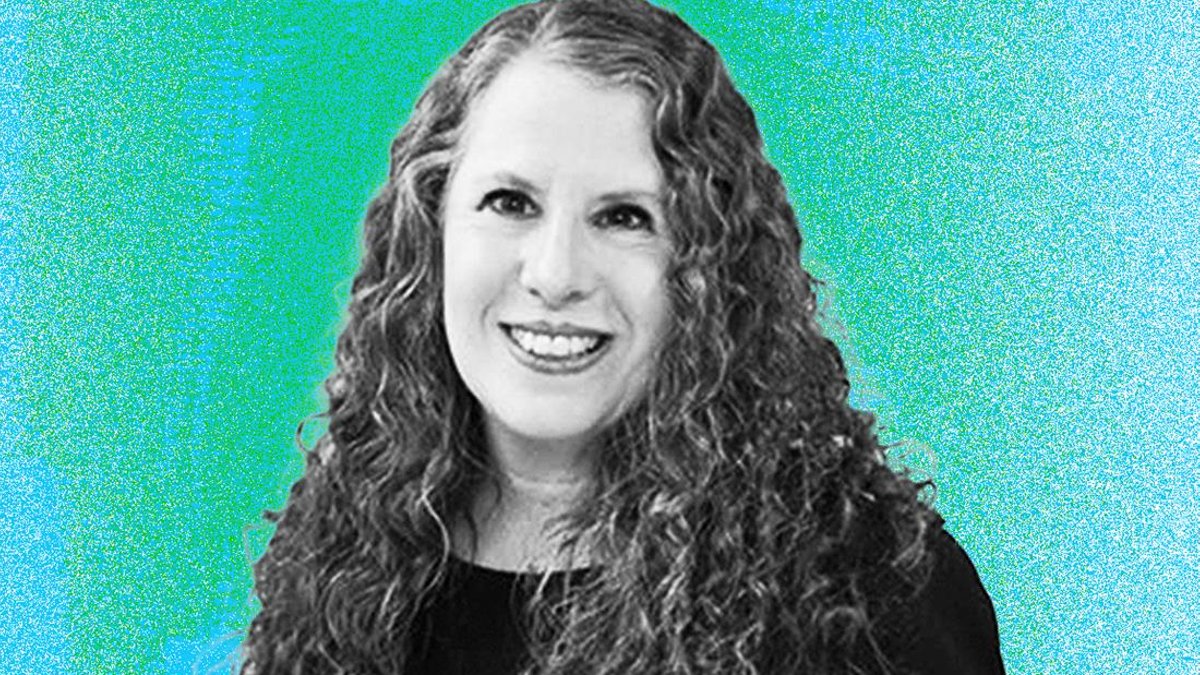
Sandi Wassmer, chief executive of the Employers Network for Equality & Inclusion, was born with a rare degenerative eye condition called Retinitis Pigmentosa. At 15, doctors told her she would one day lose her sight. Wassmer focused on her career and family, putting her impending sight loss on the back burner.
Her sight began to rapidly deteriorate in 2007, and in April 2008, she registered as blind. One year later, she received an ADHD diagnosis. The disabled label was one she struggled to come to terms with, undergoing extensive therapy to overcome.
Wassmer was no stranger to discrimination. As a business owner, she had a solid support system, but clients were sometimes less receptive to her disability. “I’m unable to tell you how much business we lost because I’m blind,” she says. “They just couldn’t get their head around the fact that the person pitching to them was blind.”
Related: Tax raids test consultancy partnership models
She remembers a time when a client was so put off by her white cane that they pulled out of a project that was almost finalized. Wassmer used this experience to drive change within her business, deciding to only work with people who care about making inclusive services for everyone.
Wassmer’s ADHD diagnosis has proved to be “a much bigger challenge” in her current role. “I’m extremely direct,” she says. “Sometimes the filter between my brain and my mouth doesn’t work.” Her senior team is understanding, and she is open about her condition, never allowing herself to feel embarrassed or ashamed.
Wassmer’s openness about her condition is a result of being in a “psychologically safe environment” where she can be herself. She says her team is a mix of creative, innovative, and flexible people who understand that she can be “quite bouncy, quite spontaneous” and sometimes overwhelmed.
In her role as CEO, Wassmer has been instrumental in streamlining the service offering to suit the needs of the organisation.
Related: Hidden AI risks hit company budgets
Wassmer’s experience has taught her that being open about her conditions is key to creating a safe and inclusive environment. By being direct and honest about her needs, she has been able to build a team that understands and supports her.
Her ability to adapt and be open about her conditions will likely be an asset in creating a more inclusive and supportive environment for her team and the people she serves.
Wassmer’s story shows the importance of resilience and determination in the face of adversity. Her refusal to let her conditions hold her back has inspired her to create positive change in the world.

Tax raids test consultancy partnership models


