


Florida egg plant halts production after avian flu outbreak
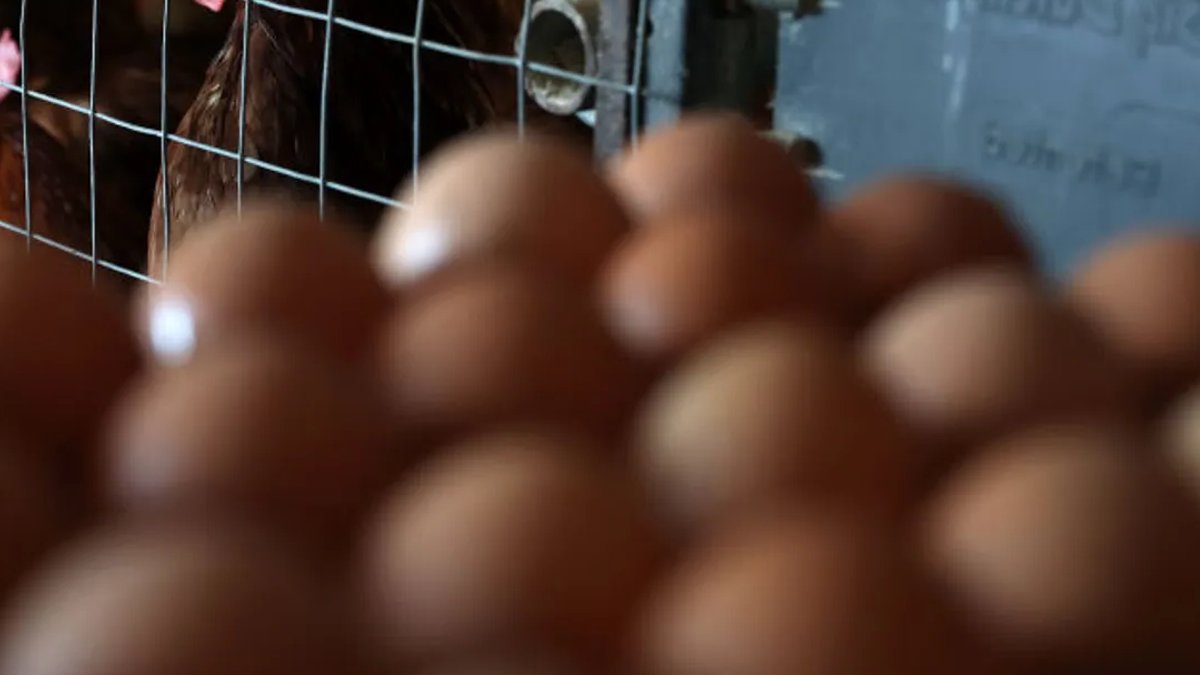
Cal-Maine Foods has paused egg production at one of its Florida plants and will cull about 1.76 million birds after confirming an outbreak of avian influenza. The affected flock includes 1.4 million egg-laying hens and 360,000 pullets, accounting for 2.7% of the company’s total birds.
The move comes as the industry grapples with an oversupply of eggs and sharply lower consumer prices. Retail egg prices have dropped from a peak of $6.23 per dozen in March 2025 to $2.32 per dozen in October, reflecting a broader shift after producers rebuilt flocks following earlier outbreaks.
Cal-Maine’s decision follows a broader pattern of avian influenza detections in commercial flocks. The USDA reported 33 outbreaks in commercial operations since August, while the virus has also spread to dairy cows, with recent clusters in the Pacific Northwest. The virus typically resurges during wild bird migration seasons, complicating efforts to stabilize supply.
Despite the outbreak, Cal-Maine says it can mitigate disruptions by redistributing production across its multiple facilities. The company’s operational footprint allows it to adjust output, though the current oversupply has strained profits. Cal-Maine’s consolidated gross profits for the quarter ended August 29 fell 100% compared to the prior year, mirroring the industry-wide price collapse.
Read Also: Walmart boosts ultra-fast deliveries to compete with Amazon
The company’s president and CEO, Sherman Miller, noted in October that avian influenza has disrupted normal flock rotations over the past few years. “No question over the last few years, it’s been very difficult to stay in normal flock rotations,” he said. The volatility has pushed Cal-Maine to diversify beyond eggs, including its recent acquisition of frozen waffle brand Van’s and crepe maker Crepini. The company expects prepared foods production capacity to grow by more than 60% by the first half of 2028.
Miller emphasized that the industry’s focus has shifted from supply shortages to managing excess production. “The issue today is that supply remains greater than even that healthy demand can absorb,” he said. The company’s strategy now centers on expanding into protein-based products to offset fluctuations in egg demand.
While avian influenza outbreaks pose operational challenges, the industry’s experience with previous waves suggests resilience. Earlier disruptions led to record-high egg prices, but current measures, including biosecurity protocols, have stabilized production. The latest outbreak, however, shows the ongoing need for adaptability in an industry still recovering from past volatility.


