


Tax raids test consultancy partnership models
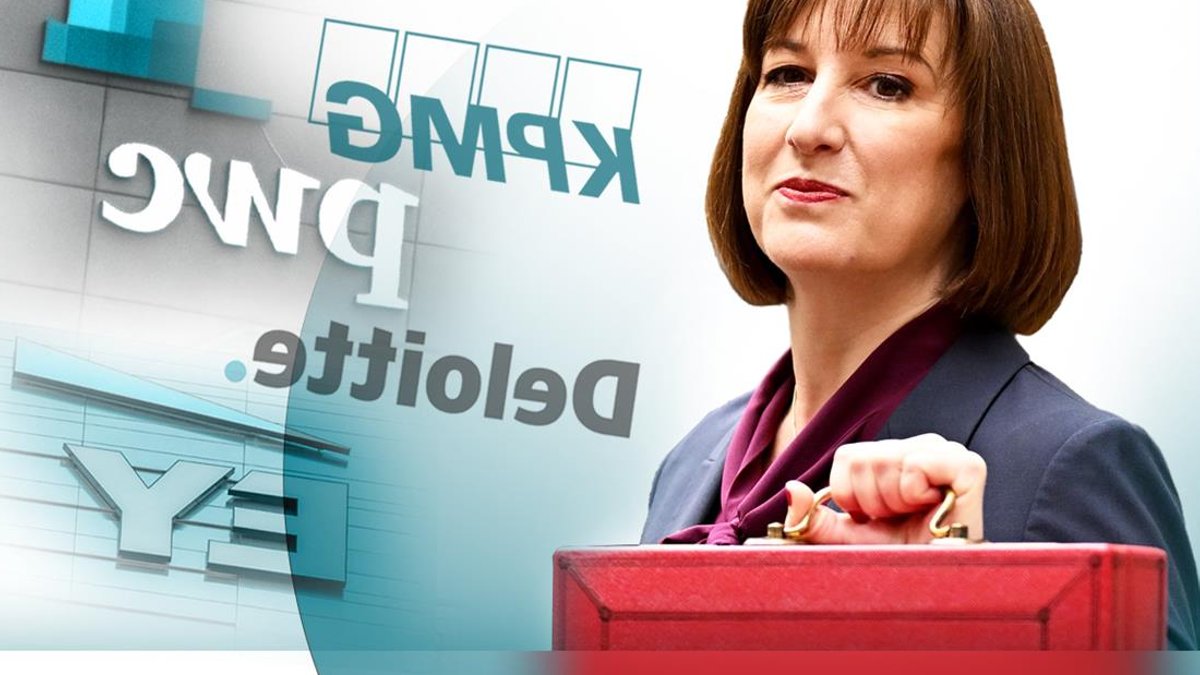
The threat of a tax raid on limited liability partnerships (LLPs) has sparked concerns among partners in the Big Four management consultancies. Chancellor Rachel Reeves is set to announce the budget on 26 November, and the outlet has reported that the government may apply employer’s national insurance to LLPs.
The Big Four firms, including Deloitte, Ernst & Young, KPMG, and PricewaterhouseCoopers, have traditionally used the LLP model, which allows them to combine management and ownership. However, this model has been criticized for its complexity and lack of transparency.
According to Elspeth Berry, associate professor at Nottingham Law School, LLPs developed from the partnership model, which has certain key features. “One is that you tend to combine management and ownership – each person can both work in and own the business, as opposed to having split directors and shareholders. Everything is done on the basis of good faith between people.”
Related: Infantino’s World Cup Overhaul Shows Leadership Bias
The use of LLPs has allowed the Big Four firms to maintain a federated collection of partnerships rather than a corporation. However, this model has been criticized for its lack of accountability and transparency. James O’Dowd, founder and CEO of the consultancy specialist recruitment firm Patrick Morgan, claimed that duplication of effort, excessive bureaucracy, and lack of shared services means LLPs spend up to 28% of their revenue on overheads compared to 5% in private rivals.
The LLP was incorporated into law in the UK in 2000, partly to help align partners’ status with their US equivalents. The internal structures of the businesses weren’t changed, but as the name suggests, partners’ exposure to debt liabilities or responsibility for colleagues’ misconduct was removed. Around the same time, the sector began to consolidate, with an initial Big Eight eventually becoming a Big Four.
Last year, the Big Four alone pulled in more than $212 billion (£161bn) in revenue. They collectively employ over 1.5 million people globally.
Berry says that partners in consultancies tend to be less focused on their status than in law firms, and in structural terms, they are closer to traditional businesses than many realize. “An LLP is already a corporate body and it’s already registered. There [would be] changes to how you do things, in terms of the split between shareholders and directors, which you might not be accustomed to.”
Related: Microsoft Stock Takes a Sharp Dive Down
One of the key objections to such a move is that partners cling to their status and would be reluctant to give it up. However, Berry notes that the transition from a partnership structure to a corporate one would spawn a mindset change. “The partner-centricity and internecine conflicts that are endemic to the Big Four and law firms would yield to customer focus and a unification of purpose.”
Accenture was the last major firm to go private, when it listed in 2001 following its split from Arthur Andersen – its revenues now exceed the Big Four, though its service mix is different, with a lesser focus on audit. Even so, it’s still more likely leading consultancies will consider separating their consulting arms via a sale or spinout, whether to satisfy regulatory concerns or to pursue new business free from conflicts of interest, and ultimately support a better work-life balance.
Berry doesn’t expect change any time soon. “Most firms are reasonably happy,” she says. “They’re less happy about the idea of tax changes, but there’s no group on the planet that cheer when they’re asked to pay more tax. People say ‘they’ll leave the LLP and go and do something else’ – they might, but it’s a bit like when we’re told that if you tax the wealthy, they’ll all leave. Some do, but most don’t.”

How Residential Developments Support Work-Life Balance


