


Ireland Leads EU Council Amid Major Legislative Push
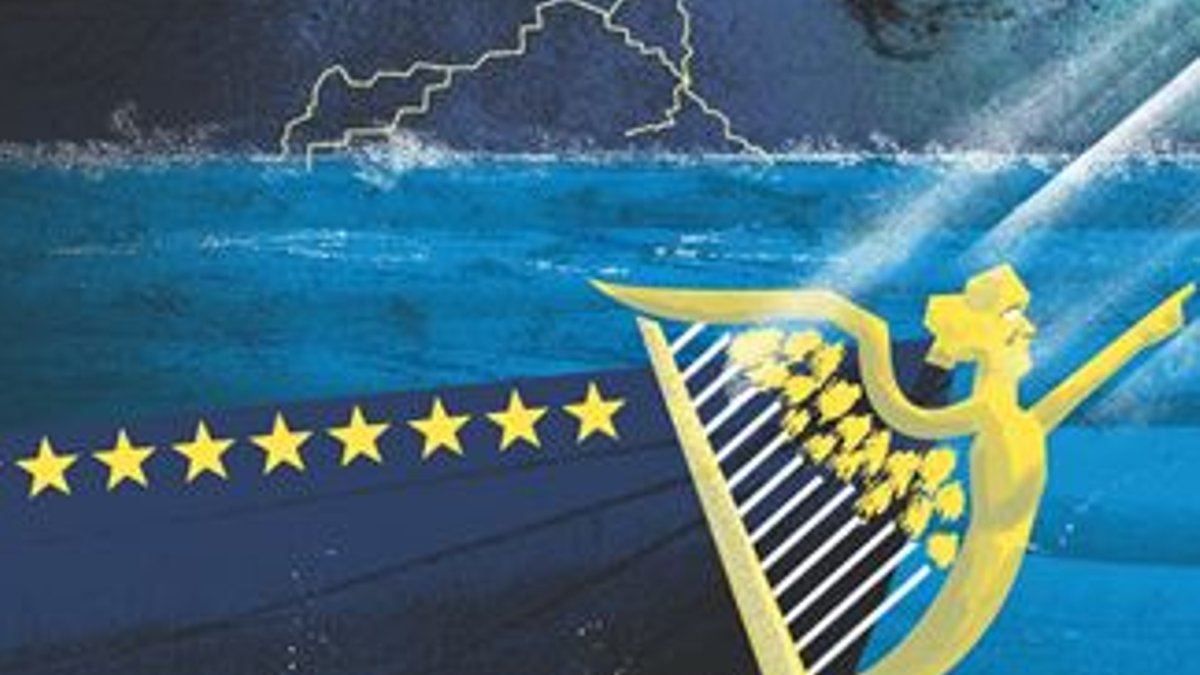
Ireland has taken the helm of the Council of the EU as negotiations intensify on the bloc’s most consequential legislative files. The six-month term places Dublin at the center of discussions on the EU’s next long-term budget, enlargement processes, and the implementation of the “One Europe, One Market” roadmap.
Minister of State for European Affairs and Defense Thomas Byrne outlined Dublin’s focus on securing a deal among member states by the end of the year, noting that Ireland’s transition from net beneficiary to contributor positions it to mediate between competing fiscal interests.
Enlargement remains a key agenda item, with the presidency positioned to advance accession talks for Montenegro, Albania, and Ukraine. The European Parliament is pushing for accelerated processes, particularly regarding Ukraine’s candidacy status granted in 2024.
The housing crisis in Europe also features prominently, as the Commission and Parliament have begun shaping responses to soaring costs across member states. The presidency aims to move from discussion to concrete policy proposals, leveraging its own experience with urban housing challenges in Dublin and Cork.
Digital governance represents another major focus area. Officials seek to embed citizen protections into Europe‘s evolving digital rulebook, countering what they describe as disproportionate influence from large technology platforms. This aligns with broader EU efforts to regulate artificial intelligence and data privacy, areas where Ireland’s regulatory history provides relevant context.
The presidency’s success will hinge on bridging divisions among member states, particularly on budgetary contributions and enlargement timelines. Ireland’s previous EU presidency in 2004 coincided with significant expansion, and officials note parallels in managing diverse national interests during negotiation phases.
EU-UK Reset and Housing Initiatives Amid Political Challenges
Ireland’s presidency of the Council of the EU provides an opportunity to advance sanctions against West Bank settlements and enforce compliance with international law. The European Commission and Parliament are developing a unified approach to the housing crisis, with Ireland positioned to propose concrete policy measures drawing on domestic urban challenges.
The EU-UK “reset” discussions face delays due to ongoing political instability in the UK, including recent leadership changes. Ten years after Brexit, public support for closer European ties confronts persistent domestic constraints in London, complicating diplomatic progress.
EU Gains Powers to Regulate Major AI Models


