


UPS and FedEx raise shipping costs more for light packages
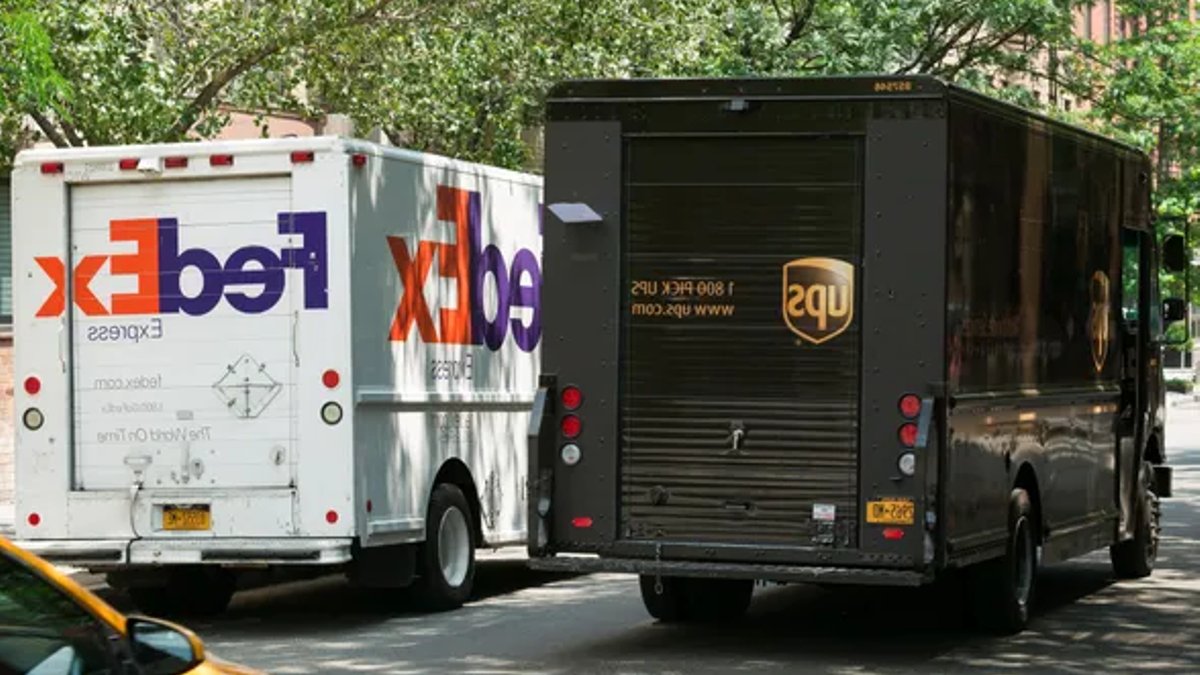
UPS and FedEx will increase their base shipping rates by an average of 5.9% beginning in late 2026, aligning with the upward trend they’ve maintained over the past three years. However, this year’s adjustment introduces new variables that could lead to higher costs for certain shippers, especially those dealing with lightweight packages or deliveries to newly expanded remote areas.
Weight-based pricing will play a central role in these changes. Both carriers will apply larger rate increases to packages weighing between 1 and 5 pounds compared to heavier shipments. For UPS services like Ground, Next Day Air, and 2nd Day Air, lighter packages in that weight range could face average hikes well above the 5.9% baseline, according to an October analysis by Sifted, a parcel spend management firm. In contrast, heavier packages—those weighing 21 pounds or more—will see smaller increases, typically around 5.6% or less. FedEx’s pricing structure follows a similar pattern.
Carriers favor heavy, high-value shipments
This approach reflects a broader carrier strategy to emphasize higher-value shipments, such as healthcare and business-to-business deliveries, over residential e-commerce packages. “You’re kind of seeing the trend continue, which is lighter residential stuff, particularly lighter weight, ‘We’ll take it, but you’re going to pay more for it,'” Adi Karamcheti, a parcel contract intelligence consultant at logistics data platform Loop, said in an interview. “And as it gets heavier, particularly with B2B, ‘We’re more interested in it. The rate increase is going to be lower on that.’”
Surcharges will also rise, but the increases will be more evenly distributed than in previous years. While fuel surcharges dominated cost discussions in 2026, other fees, including additional handling, residential delivery, and area surcharges, will see across-the-board hikes starting in 2027. On average, surcharges already make up the upper 30% of a shipper’s total parcel shipping spend, Kenneth Moyer, partner and chief supply chain officer, strategic advisory at LJM, a provider of parcel spend management services, said. That means once surcharge hikes are factored into a shippers’ budget, the effective increase they’ll encounter from FedEx or UPS will be much higher than the 5.9% average, with a range between 8% and 12% being typical, he added.
New rules for bulky, fragile packages
Differences between the carriers emerge in how they handle packages requiring extra care. UPS is tweaking how it prices packages that require extra handling, and FedEx has unveiled thousands of ZIP codes that will cost more to deliver to in 2027. For UPS customers, the minimum billable weight for packages requiring additional handling will increase from 40 pounds to 50 pounds on Dec. 21, according to UPS’ website.
The higher weight for the rule, originally introduced in 2024, will particularly sting shipments that are bulky in size but not heavy, as they will be priced as if they were 50 pounds, experts say. For example, a long, narrow 25-pound box that triggers an additional handling fee for measuring more than 48 inches will be billed at double its weight, according to TransImpact, a provider of transportation spend management services.
How shippers can cut costs
Shippers can explore packaging adjustments to limit their exposure to UPS’ higher billable weight charge. For example, if a package is just three-quarters of an inch above the additional handling threshold, the shipper can avoid the fee and the higher weight charge with a slightly smaller packaging size, LJM’s Moyer said. However, shippers should also monitor damage frequency associated with the new packaging to ensure it doesn’t introduce new challenges. As of Monday, FedEx has not announced a change to its 40-pound minimum billable weight for packages requiring additional handling on its website.
However, FedEx has unveiled an expanded list of ZIP codes in which its remote area surcharge will apply. FedEx and UPS both apply area surcharges for packages delivered to specific ZIP codes, oftentimes, but not always, focused on rural areas. Starting Jan. 4, 2027, FedEx residential deliveries to more than 2,500 ZIP codes that currently face an extended area surcharge of $8.80 per package will instead be hit with a remote area surcharge of $17.75 per package. The remote surcharge expansion affects ZIP codes in various states, including parts of California, Texas and New York.


