


How Residential Developments Support Work-Life Balance
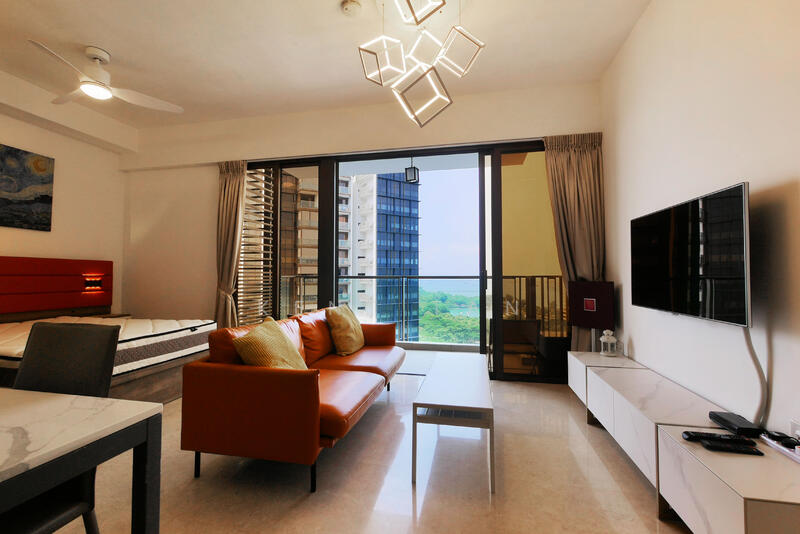
Work-life balance has become an important consideration for Singapore homebuyers as professional and personal routines increasingly overlap. A home is no longer used only for rest after the working day. Many residents work remotely, exercise between meetings, manage family responsibilities, and spend leisure time close to home. Residential developments can support this changing lifestyle through flexible layouts, wellness facilities, outdoor areas, shared spaces, and convenient access to everyday amenities. The right environment can make it easier to separate work responsibilities from personal time while keeping both within practical reach.
Flexible Homes Support Changing Schedules
A well-planned home can accommodate several activities without making the living environment feel crowded. A spare bedroom, study corner, or adaptable room may serve as a workspace during the day and a different purpose later.
Floor plan efficiency is particularly important for residents who work from home. Good natural lighting, ventilation, sufficient electrical points, and appropriate separation from high-traffic areas can make a workspace more comfortable. Buyers should consider how a property can accommodate current routines as well as future changes in household needs.
Dedicated Work Areas Create Boundaries
Working from the dining table or sofa may be convenient initially, but it can make it harder to distinguish professional time from personal time. A dedicated work area can create a clearer psychological boundary.
Even when a full study is unavailable, a thoughtfully positioned workspace can provide some separation. Doors, partitions, acoustic considerations, and furniture placement can help reduce distractions. Developments such as The Serra Residences demonstrate why buyers may examine residential layouts carefully when considering homes that need to support both professional and personal activities.
Shared Workspaces Add Flexibility
Some residential developments provide communal lounges, study rooms, or work-friendly spaces. These areas can offer residents an alternative when they need a change of environment or a quieter place for focused tasks.
Shared workspaces can also be useful when different household members have simultaneous work or study commitments. A resident may use the communal area for a video meeting while another person works privately at home. The availability of such spaces can add flexibility without requiring larger private units.
Wellness Facilities Encourage Regular Breaks
Work-life balance is not simply about reducing working hours. It also involves making time for physical activity and recovery. Fitness centres, swimming pools, walking paths, gardens, and outdoor exercise areas can make regular breaks easier to incorporate.
Having these facilities close to home removes the need for additional travel. A short swim, gym session, or evening walk can become part of a normal routine. This convenience may encourage residents to maintain healthier habits even during demanding work periods.
Outdoor Areas Provide Mental Separation
Green spaces and outdoor amenities can create a physical break from work. Residents may step outside after finishing a task, walk through landscaped areas, or sit in a quiet garden.
This change of setting can help mark the transition between professional responsibilities and personal time. Outdoor spaces also provide opportunities for families to spend time together without leaving the development. Thoughtful landscaping can therefore contribute to both relaxation and everyday usability.
Family Spaces Matter After Work
For households with children, work-life balance also depends on the ability to shift attention toward family activities. Playgrounds, pools, gardens, function rooms, and communal spaces can make family recreation more convenient.
Parents may be able to spend time with children close to home rather than organising a separate trip. Shared facilities can also provide space for family gatherings or casual activities when private living areas are limited. A residential development that supports family interaction can make the transition from work to home life more natural.
Nearby Amenities Save Valuable Time
The surrounding neighbourhood can have a significant effect on work-life balance. Access to supermarkets, schools, healthcare, dining, parks, and transport can reduce the time required for everyday errands.
This becomes especially important for people with demanding schedules. A nearby grocery store can simplify dinner planning, while convenient transport can shorten commuting time. Projects such as Dunearn Green show why buyers may consider neighbourhood convenience alongside residential facilities when evaluating how a home will fit into their routines.
Technology Can Reduce Daily Friction
Smart residential features can support work-life balance by simplifying repetitive tasks. Digital access systems, smart lighting, home climate controls, security features, and parcel management can reduce the effort involved in everyday activities.
Technology can also support remote work through reliable connectivity and suitable home infrastructure. Buyers should assess whether technology is practical and easy to use rather than selecting a property based solely on the number of smart features advertised.
Privacy Supports Rest and Focus
A balanced home needs spaces where residents can concentrate as well as areas where they can relax. Privacy can be particularly important in households where several people work or study simultaneously.
Bedrooms positioned away from busy communal areas, acoustic separation, and thoughtful unit layouts can help reduce interruptions. Buyers should consider noise from corridors, lifts, recreational facilities, and neighbouring units when viewing a property. A peaceful home can make it easier to focus during work and unwind afterward.
Transport Access Can Protect Personal Time
Commuting can consume a significant part of the day. Convenient access to MRT stations, bus services, and major roads can give residents more control over how they spend their time.
Shorter or more predictable journeys can create additional opportunities for family activities, exercise, rest, or hobbies. Buyers should examine actual routes and peak-hour travel conditions instead of relying only on estimated distances. Multiple transport options can also provide flexibility when work arrangements change.
Creating a Home That Works Around Life
Residential developments can support work-life balance by combining flexible homes, useful shared facilities, wellness spaces, outdoor areas, privacy, technology, and neighbourhood convenience. No single feature can create balance on its own.
Homebuyers should consider how a property would function on an ordinary weekday, from the morning commute to the evening routine. The strongest choice is often a home that reduces unnecessary travel, provides comfortable spaces for different activities, and makes it easy to transition between professional responsibilities and personal time. When residential planning reflects real daily habits, the home can become an active part of a healthier and more manageable lifestyle.

New boss sparks shake-up at Diageo


