


Banks adapt custody for digital and traditional assets
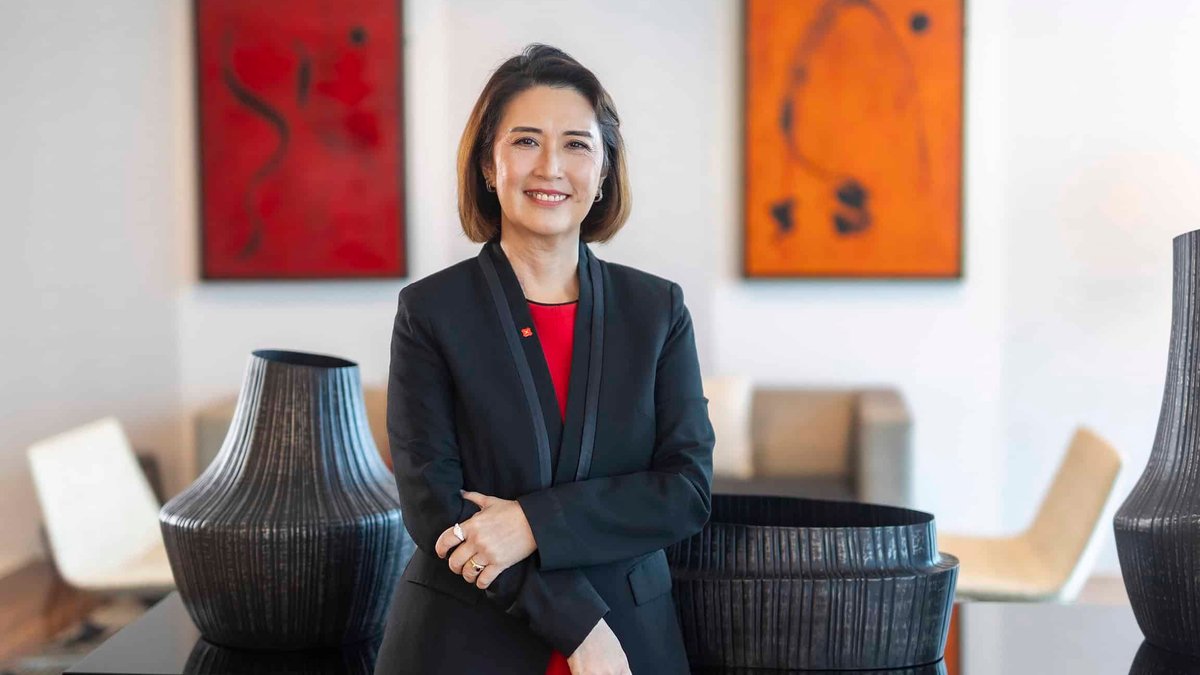
Institutional investors in Asia are pressing custodians to manage both traditional and digital assets together, changing how banks protect and oversee wealth.
Ee Fong Soh, who leads financial institutions, securities, and fiduciary services at DBS Bank, said the change stems from two key demands: spreading risk and keeping assets secure. Clients across different businesses and markets share these goals, she noted.
Asia leads the custody race for digital assets
A survey of global financial institutions revealed that 83.8% of respondents in Asia-Pacific ranked custody as their top priority for digital assets over the next two years. That placed the region ahead of others, where the same focus ranked third.
Digital assets are expanding quickly, but traditional holdings still make up most institutional portfolios. Custodians that ignore innovation in either area may lose ground. DBS has worked for years to advance both, offering clients better efficiency and new ways to grow.
“By developing solutions for both digital and traditional asset custody, we’ve helped clients streamline operations and unlock new opportunities,” Soh said.
Traditional assets still drive expansion
DBS gained early advantages in conventional markets. In 2025, it became the first foreign bank approved as an RMB clearing bank and to participate in China’s OTC bond market. These moves, along with offshore custody services, gave institutional clients access to more markets.
The bank also focused on improving efficiency. In 2025, it introduced its “One Bank” model for asset managers, combining banking and custody on a single platform.
Related: AI Fuels Stock Market Bubble Fears
Digital assets required different approaches. A partnership with Franklin Templeton and Ripple last year produced new trading and lending tools using tokenized money market funds. DBS also became the first bank in Asia to provide collateral agent services for crypto trading, letting exchanges and their members boost trading capacity.
The bank later issued its first tokenized structured notes on a public blockchain, distributing them through multiple digital platforms.
Soh highlighted further possibilities.
Security remains essential. Soh stressed that custodians must keep assets safe while innovating. “Trust and safety form the base that supports resilience in the combined world of digital and traditional investing,” she said.
Investors are examining custodians more carefully, turning trust into a key advantage. Banks must meet growing demand without sacrificing security.
The trend toward combining asset types continues. As digital and traditional holdings blend, custodians that connect both will influence the future of institutional investing in Asia. Industry leaders often face similar pressures to adapt while maintaining stability.

Dr Alice Bunn Leads UK Space Industry


